
Complete Home Theater Systems to Consider in 2026
As an Amazon Associate, this website earns from qualifying purchases.
The short answer
Best for planning the display, speakers and receiver as one room system. Choose a soundbar when space or budget rules out discrete surrounds.
Our top 2 picks
- 1Best easy 5.1 package
 Sony BRAVIA Theater System 6
- 5.1-channel package
- Subwoofer and rear speakers included
- Dolby Atmos and DTS:X support
- 2Best receiver-based starter package
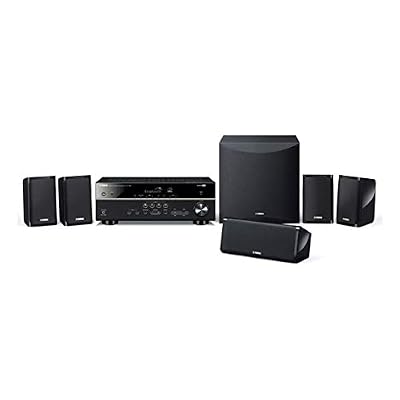 Yamaha YHT-4950U
- AV receiver and five speakers included
- Powered subwoofer included
- YPAO room optimization
A complete home theater system brings the display and audio into one room plan. Decide where people sit and how light is controlled first. Then choose the image and speakers, plus connections. Our two product choices below are audio packages, not complete furnished rooms.
Sony BRAVIA Theater System 6: a soundbar-led package
The System 6 packages the bar and subwoofer, plus rear speakers together. The listed specifications include 5.1 channels plus Dolby Atmos and DTS:X decoding. That label does not turn the package into separate ceiling speakers. Choose it for simpler audio, not for a custom overhead layout.
This is the shortest route of our two choices if you do not want to choose an AV receiver. You still need places for the rear speakers and sub. Plan the outlets and connecting leads before ordering. A package reduces shopping choices. It does not remove the room work.
BRAVIA integration features depend on a compatible Sony TV. With another TV, check the audio connection rather than assuming those brand-specific functions will carry over. The display is a separate purchase. Complete here refers to the audio package, not a TV and a furnished theater room.
Skip it if replacing individual speakers over time is central to your plan. A receiver-based system gives you a different upgrade route. We have not tested either route in your room. This choice rests on fit and the listed contents.
Our verdict:
Best easy 5.1 package
Best for A buyer who wants the soundbar, subwoofer and rear speakers in one package.
View on Amazon- 5.1-channel package
- Subwoofer and rear speakers included
- Dolby Atmos and DTS:X support
Keep in mind: Compatible BRAVIA TVs get integration features other TVs do not.
Product details checked September 2026
Yamaha YHT-4950U: a receiver-based starting point
The YHT-4950U includes an AV receiver, five speakers and a powered subwoofer. Its listed specifications also lists YPAO room setup. That makes it a clearer start for a wired 5.1 system than a bundle that contains speakers alone.
Bluetooth music streaming does not make its speakers wireless. You need cable runs from the receiver to the five main speakers. Sketch those runs around doors and the seating row. If the room cannot accommodate them safely, the package is not a good fit.
This route suits someone who wants to learn channel assignment and bass settings. Label each cable before connecting it. Put the supplied setup microphone in the listening position as the manual directs. Keep the room quiet during setup. Then check voices and bass with familiar content.
The included speakers are the starting system. Do not assume replacing them with any larger speaker will be safe. Check the receiver's load limits and the new speaker's impedance. For a future height-channel plan, verify the exact receiver's processing and amplifier count first.
Our verdict:
Best receiver-based starter package
Best for A first 5.1 system where separate speakers and an AV receiver are preferred.
View on Amazon- AV receiver and five speakers included
- Powered subwoofer included
- YPAO room optimization
Keep in mind: The speakers still need wire runs despite Bluetooth music streaming.
Product details checked September 2026
Factors to consider when choosing a complete home theater system
The pieces of a complete system
Every complete system, whether simple or elaborate, is built from the same three pieces:
- A screen or display; a TV or a projector-and-screen combination that is sized and placed based on your seating distance, not the other way around.
- A speaker layout; anywhere from a soundbar standing in for the whole front stage, up through a full 5.1 or 7.1 layout, with height channels added for Dolby Atmos if the room and budget support it.
- A receiver or amplifier; the piece that decodes source audio, routes it to the right channels, and often switches video between multiple sources, sized to match the speaker layout you chose.
Start with room use and seats. Match the image and speaker layout to them. Then choose a receiver with the required channels and source formats. Use the home theater setup guide for that sequence before shopping.
Packaged systems versus separates and custom installs
There are a few common paths to a complete system, and picking one depends mostly on how much wiring and setup complexity you want to take on:
- Soundbar-based, the simplest path, covered as part of the broader system comparison in best home theater systems.
- A packaged 5.1 or 7.1 system, where the receiver and speakers are matched and sold together; also covered in that same comparison.
- Receiver plus separate speakers, the most flexible and upgradeable path, starting with a 5.1 layout as the common baseline and a receiver sized to match it.
- A fully custom home theater, built around the specific room with in-wall speakers and tailored acoustic treatment.
- Building it yourself, which the DIY home theater guide walks through step by step, from room planning through wiring and calibration.
A worked choice for a shared living room
Suppose your living room has a TV, console and streaming box, with a doorway beside the sofa. Draw where each source sends picture and sound. For the Sony route, check which devices plug into the TV and how sound reaches the bar.
For the Yamaha route, check which sources plug into the receiver and which lead carries video to the display. Compare exact ports and supported formats in the manuals. Choose the route that handles your devices without an unplanned adapter.
Mark rear-speaker cable paths and required power outlets on the sketch. Keep leads clear of the doorway. Check cable lengths before moving furniture. Neither audio package supplies the display or solves screen glare.
Choose Sony if its connections fit and you prefer the bar-led plan. Choose Yamaha if you want a receiver and can run its speaker wires safely. Check supported speaker connections and channel limits before assuming either package can expand.
What changes between a first system and a second one
A first system should fit known needs without assuming how the room will be used. Start with the source devices and normal viewers. Reserve safe space and cable routes for a possible expansion. Do not buy channels that have nowhere to go.
An upgrade can use what you learned from the existing system. Note weak dialogue, missing connections or awkward controls. Note whether light control worked at the time you watch. Choose the change that solves those problems rather than replacing every part.
Matching the system to how the household actually watches
List the content and devices the household uses each week. Include quiet TV viewing and music, not just film nights. A simple system may serve those needs well. A larger layout makes sense when its added channels and connections are useful.
Check the daily control routine. Decide which remote changes input and volume. A feature-rich system is not helpful if nobody can use it. Keep the room's normal tasks in the plan.
Choosing your layout and format
Once you've picked a path, a few more specific decisions shape the result:
- If you want overhead, object-based sound, the Dolby Atmos home theater system guide covers what height channels add on top of a standard layout.
- If wiring is the main obstacle in your room, wireless home theater covers how far wireless speaker and subwoofer options can realistically take you.
- If you're building this specifically to feel like a movie theater rather than a living room upgrade, home movie theater covers what that specific goal changes about the plan.
- If "home theater" as a term still feels broad, the general home theater overview breaks down the terminology and the main decision points in one place.
- If you're hiring help rather than doing it yourself, home theater installation covers what a professional install typically involves and where it adds the most value over a DIY approach.
A rough planning timeline
Walk the room and mark seats, light sources and cable constraints. Use those facts to choose the system type. Then compare equipment with the actual source and speaker requirements. Check amplifier count and safe speaker loads. Keep electrical and structural work separate from plugging in consumer gear.
Finish safe placement and connections before running the supported setup routine. Verify each channel and the incoming source format. We do not claim a measured rate of first-year re-purchases from buying in the wrong order.
Budgeting across the whole system
Include every required part in the shopping list. Add the display, receiver if needed, speakers and leads, plus safe fixing. Add any room work separately. A premium label on one box does not make the whole system compatible.
Prioritize the current bottleneck. Better light control may matter more than another projector feature. A needed receiver connection may matter more than unused channels. Compare exact functions instead of insisting every part belongs to the same price tier.
Common mistakes
- Buying the receiver or speakers before deciding the layout. The layout decision should come from the room and your viewing habits, not from whatever system happened to be on sale.
- Assuming "complete" means "the biggest layout available." A soundbar-and-TV setup is a complete system if it matches what the room and the household actually want; a 7-speaker layout in a room that will never use half its capability isn't automatically better.
- Skipping the room-first planning step. Every path above works better, and avoids expensive re-buys, when the room and seating position are settled before any gear is purchased.
- Mismatching component tiers. A premium screen paired with an underpowered receiver or budget speakers won't deliver a cohesive result; match the tier across the whole system, not just one piece of it.
Where to go from here
For the display, compare the screen guide and projector choices. For bar-led audio, use the Atmos guide and soundbar comparison. Check seating and speaker placement before committing to equipment positions.
How we picked complete home theater system routes
We compared two audio starting points: a bar-led package and a receiver-inclusive kit. The listed specifications identify what each includes. None supplies the display or seats, or else room work. We did not install or sound-test these two packages together.
The order follows setup fit, not a current price or star rating. Confirm exact seller contents before purchase. Match missing items to your own list. If you choose speakers separately, use the receiver guide to plan the missing amplifier channels.
Define what complete means on the offer
Separate the display, audio package and room work. These two audio choices do not include a TV or projector. Write each missing item next to the offer. Compare the system you will actually build.
Check the path from source to speakers
List your TV, disc player and console, plus streaming device. Note where each sends picture and sound. Check the exact ports on the receiver or bar. An audio logo alone does not prove your TV can pass that format through.
Plan later work without buying unused gear
Reserve safe cable routes and space before closing walls. Do not buy extra channels just because they appear on a specification. A working 5.1 room beats a larger layout with blocked speakers.
The complete home theater system should match how you use the room today. For a ceiling-speaker plan, use the Atmos system guide. Each planning link above resolves a different part of that system.
More in this guide
- 5.1 home theater system
- Best home theater receiver
- Best home theater systems
- Custom home theater
- DIY home theater
- Dolby Atmos home theater system
- Home movie theater
- Home theater installation
- What is a home theater?
- Wireless home theater
Our picks in this topic
3 picks
3 Stereo AV Receivers for Two-Channel Use in 2026
Compare three stereo-capable AV receivers for two speakers now and a possible surround layout later. Check channels, inputs and room fit.
3 picks
3 Best Home Theater Receivers in 2026
The specs that actually separate home theater receivers, and how to match one to your speaker layout before you compare specific models.
2 picks
Best Home Theater Systems in 2026
The best home theater system depends on your room and how much wiring you'll tolerate; here's how to compare packaged systems, receiver setups, and soundbars.
Questions people also ask
What counts as a 'complete' home theater system?
A screen or display, a speaker layout matched to the room, and a receiver or amplifier that can drive and route audio to that layout; planned together rather than bought piece by piece with no plan connecting them. A soundbar-and-TV combo can be complete for a simple setup; a 7.1.4 Atmos layout with a separate receiver is complete for a more involved one.
Where should I start if I'm building one from scratch?
Room and seating position first, since that decision drives screen size and speaker placement. Only after that's settled should you pick a speaker layout and shop for a receiver or packaged system; buying gear before measuring the room is the most common reason people end up re-buying within a year.
Do I need a professional, or can I build this myself?
Most complete systems are realistic to plan and install yourself, especially soundbar-based or packaged setups. In-wall speakers, structural acoustic treatment, and multi-room integration are where professional help starts to matter more; see the DIY and custom guides below for where that line tends to fall.