
Custom Home Theater: What Custom Actually Means
A custom home theater is a system designed around your specific room instead of an off-the-shelf package; here's what that involves and when it's worth it.
Contents9
- What "custom" actually covers
- When custom is worth it, and when it isn't
- What to plan for before starting
- A typical custom build sequence
- Working with an installer vs. doing it yourself
- Cost drivers, in qualitative terms
- Permits and structural considerations
- Common mistakes
- Match built-in speakers to the custom home theater plan
A custom home theater starts with the actual room and a written design. It can use separate speakers, tailored wiring and specific controls. It may need professional building work. Custom does not guarantee better sound or a fixed budget. Check the proposed work and acceptance criteria.
What "custom" actually covers
Define the proposed custom work in writing. Check which parts differ from a normal package installation:
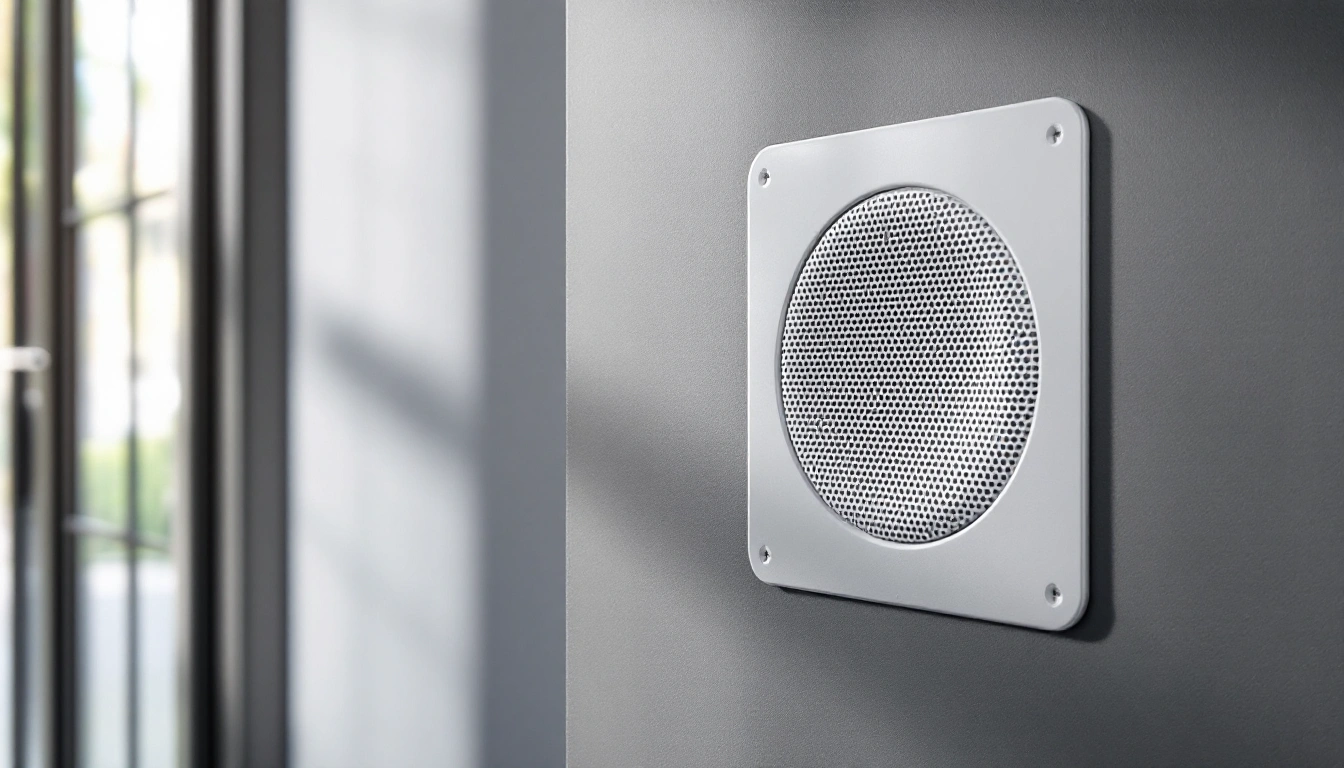
- Speaker integration built into the room. In-wall or in-ceiling speakers, sometimes with custom grille finishes to match the wall, replace freestanding speakers on stands or shelves. This is a real construction step, not just plugging in wire, and it usually needs to happen before or during other renovation work rather than after.
- Acoustic treatment chosen for the room's actual dimensions and quirks, not a generic panel kit. A custom build accounts for the specific corners, reflection points, and problem frequencies that room produces, rather than applying a one-size-fits-most treatment pattern.
- Calibration tuned to the finished space. Beyond a receiver's automated room-correction microphone, a custom build often includes more advanced measurement and adjustment, done after the room and speakers, plus treatment are all in their final positions.
- Integration with the rest of the room or house, such as centralized lighting and shade control tied to movie-watching, or multi-room audio that shares infrastructure with the theater's wiring.
When custom is worth it, and when it isn't
Compare permanent room work with future use. If the layout may move, freestanding gear can be a different fit. Review the 5.1 route and package choices too. Custom work is not automatically the next required upgrade.
For a shared or temporary room, check which work can move with you. Freestanding equipment and built-in wiring have different lifecycles. A custom route can still fit, but compare its lasting room changes with your plans. Do not assume a universal payback or resale gain.
What to plan for before starting
- Timing with any other renovation. In-wall speaker runs and structural acoustic treatment are far easier to do during drywall or renovation work than after walls are finished and painted.
- A receiver and channel plan that matches the finished layout, following the same receiver-selection logic as any other system, just applied to a layout that's now fixed into the walls and ceiling.
- Budget for labor, not just equipment. In-wall wiring and mounting plus calibration typically require real time from a professional installer if you're not doing it yourself, and that labor cost is separate from the cost of the speakers and receiver themselves.
- A realistic view of DIY limits. Running visible wire and adding standalone acoustic panels are approachable DIY steps; cutting into finished walls for in-wall speakers or doing structural acoustic work carries more risk of a poor result, or damage to existing wiring and framing, if you're not experienced with it.
A typical custom build sequence
Measure the room and seats before designing the layout. Verify safe building work and cable routes next. Install the equipment at its planned positions. Assess treatment with the actual room surfaces and furniture in place.
Finish supported setup after the physical layout is stable. Record any stage still needing verification.
Working with an installer vs. doing it yourself
Divide the work by skill and requirements. You may handle ordinary equipment choices while a qualified trade handles power or structural fixing. A full service is another route. State who owns each check in the quote. Do not assume confidence with tools replaces the qualifications or rules for building work.
Cost drivers, in qualitative terms
Split the quote into gear, design and setup, plus finishing. Wall access can change the work. Concealed routes may need surfaces opened and restored. Get a room-specific quote. We do not claim labor always costs more than gear.
Permits and structural considerations
List circuit and fixing, plus ceiling work in the scope. Ask who checks permits and local rules. An AV quote does not include every trade by default. Use the qualified help each job needs. Keep the proof with the handover.
Common mistakes
- Committing to in-wall speakers before finalizing the layout. Changing your mind about channel count after speakers are wired into the walls is far more disruptive than before that step.
- Treating custom as strictly a spend-more upgrade. The value is in tailoring to the specific room, not just in higher-end components; a custom build with the wrong layout for the room can still underperform a well-planned packaged system.
- Skipping calibration after all the physical work is done. The most expensive, tailored install still needs to be measured and tuned in its finished state to actually deliver on the "custom" promise.
- Not timing wiring with other renovation work. Running wire before walls are finished is dramatically easier than retrofitting it afterward, so a custom build is often best planned alongside, not after, any other room renovation.
Match built-in speakers to the custom home theater plan
Read the exact speaker's intended use before cutting a wall or ceiling. A model suited to a front channel may need a different position from a height speaker. Check the cutout and depth, plus any required enclosure. The visible grille size alone does not prove that the unit fits behind the surface.
Have the installer check the space for cables and other services. Keep the mounting instructions with the room drawing. If the speaker needs an enclosure or a specific wall build, include that work in the quote. Do not replace those requirements with a generic claim that any in-wall speaker will fit.
The system guide helps you count the full layout. Its packages are starting points for audio; they do not include custom building work or prove that a chosen built-in speaker fits your room.
Questions people also ask
Is a custom home theater the same as a home theater installation?
They overlap but aren't identical. Installation is the labor of setting up any system, including an off-the-shelf one. Custom specifically means the system and room were designed together from the start; speaker locations built into walls or ceilings, treatment chosen for that room's dimensions, and calibration tuned to the finished result, not just wiring up a packaged system.
Do I need a professional for a custom build, or can I DIY it?
Simple pieces, like adding acoustic panels or running visible speaker wire, are realistic DIY projects. In-wall or in-ceiling speaker runs, structural changes for acoustic treatment, and full calibration are where professional experience starts to matter more, both for a clean result and for avoiding damage to wiring, framing, or finished walls.
How is a custom system different from a good packaged system?
A packaged system is designed to work well in a wide range of rooms with minimal setup decisions. A custom system is designed for one specific room, accounting for its dimensions, wiring paths, and acoustic quirks; which usually produces a better-tailored result at a higher cost and time investment.