
3 Best Home Theater Seating Options in 2026
As an Amazon Associate, this website earns from qualifying purchases.
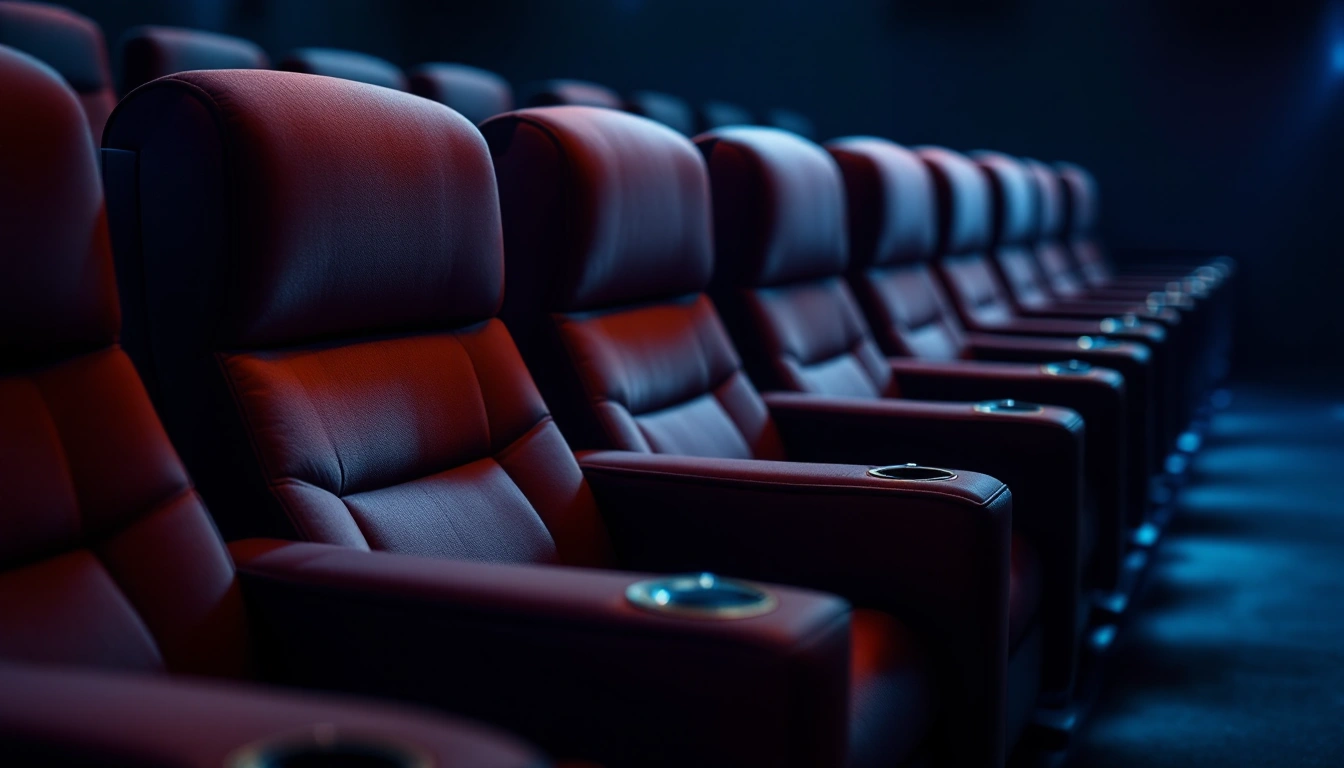
The short answer
Best for: a dedicated room where you're planning the layout from scratch. Skip if you're furnishing a shared living room; a sofa that also works for everyday use usually beats dedicated theater seating there.
Our top 3 picks
- 1Best adjustable three-seat row
 Valencia Tuscany Row of 3
- Power recline, headrest and lumbar support
- USB-A and USB-C charging
- Top-grain Nappa leather listing
- 2Best sofa-style theater seat
 Seatcraft Vienna Sofa
- Power recline, headrest and lumbar support
- 6.5-inch wall-clearance listing
- Storage, cupholders and USB-A charging
- 3Best wider four-seat row
 Seatcraft Pantheon Row of 4
- Four-seat row
- Power headrest and lumbar support
- Listed support up to 400 pounds per seat
The best home theater seating fits the viewers and room. Check the image from every main seat. Include recline space and doors, plus the delivery route. A larger row is not better when it blocks access or leaves unusable end seats.
1. Valencia Tuscany Row of 3: three powered seats
The Tuscany is the three-seat choice. Its listed specifications include power recline and headrest, plus lumbar adjustment. USB-A and USB-C charging are conveniences; the full row width and recline footprint decide whether it belongs in the room.
Tape the row outline on the floor and open every nearby door. Check how someone reaches the end chair while the other seats are reclined. Confirm the delivery route through the house as well as the final position.
The listing describes top-grain Nappa leather. Verify the exact variant rather than treating a family name as an upholstery guarantee. We have not sat in or durability-tested this row. Our fit recommendation does not replace a comfort check.
Our verdict:
Best adjustable three-seat row
Best for A dedicated room with width for three connected power recliners.
View on Amazon- Power recline, headrest and lumbar support
- USB-A and USB-C charging
- Top-grain Nappa leather listing
Keep in mind: Measure delivery access and full recline depth before ordering.
Product details checked September 2026
2. Seatcraft Vienna Sofa: a shared-room alternative
The Vienna fits a sofa-style plan with a fold-down center table. Its power headrest and lumbar functions can change the seated position. Check the screen from that position, not only from the upright chair outline.
Retained dimensions list 6.5-inch wall clearance and 70-inch recline depth. Allow the full recline space even when the back can sit close to a wall. Keep the extended footrests clear of your main walkway.
Choose this arrangement when the room needs a sofa feel instead of a cinema row. Check what the center section does in each mode. Do not base capacity or usable seat count only on a product photograph.
Our verdict:
Best sofa-style theater seat
Best for A room that needs two-seat sofa proportions and a fold-down center table.
View on Amazon- Power recline, headrest and lumbar support
- 6.5-inch wall-clearance listing
- Storage, cupholders and USB-A charging
Keep in mind: Its 70-inch recline depth still needs careful aisle planning.
Product details checked September 2026
3. Seatcraft Pantheon Row of 4: a wider-room choice
The Pantheon adds a fourth seat and a broader room demand. The listed specifications include power headrest and lumbar functions plus support up to 400 pounds per seat. That capacity is a listed fact, not our measured result.
Check the end seats before making four seats the goal. Each needs a usable screen angle and an unobstructed way out. A large row should not force speakers into blocked locations.
This fits a wide dedicated theater with verified delivery access. It is a poor starting choice for a narrow basement simply because more people might visit. Size the row for normal use and safe access first.
Our verdict:
Best wider four-seat row
Best for A large dedicated room that needs wider seats and higher listed capacity.
View on Amazon- Four-seat row
- Power headrest and lumbar support
- Listed support up to 400 pounds per seat
Keep in mind: The four-seat footprint will not suit a narrow room.
Product details checked September 2026
Factors to consider when choosing the best home theater seating
Start with row layout, not seat style
Draw the full row layout before comparing chairs. Include recline space and access:
- Single row. The simplest and most common layout for a home setup. Everyone sits at the same distance and roughly the same angle to the screen, which keeps the viewing experience consistent across seats.
- Stadium (tiered) seating. A second row raised on a platform so the people behind can see over the heads in front. This only works well in a room with enough depth to give the front row real distance from the screen and enough riser height for the back row's sightlines; a shallow room forces an uncomfortably steep riser or blocked sightlines, neither of which is worth chasing for the sake of having two rows.
Check whether a second row fits your actual room. Include both sightlines and aisles. If it leaves poor views or blocked access, choose one row. We do not claim most homes lack the required depth.
Recliners vs. sofas vs. sectionals
The right seat type depends heavily on how the room gets used day to day:
- Dedicated theater recliners are built for long, movie-length sitting: wider individual seats, storage armrests, and often powered recline and footrests. They make the most sense in a room used specifically and regularly for movie watching, where the extra comfort gets used often enough to justify the space they take.
- Sofas and sectionals flex better for a shared room; everyday sitting and guests, plus movie nights all in the same furniture. They usually seat more people per foot of room width than individual recliners, which matters in a smaller space.
- A mix; a sectional or sofa as the main row with one or two recliners at the ends or behind; is a reasonable middle ground for a room that's mostly shared space but gets occasional dedicated movie use.
Sightlines and viewing angle across a row
Anyone seated well off to the side of a wide row is viewing the screen at an angle, not head-on, and that affects both picture and sound. A few practical guidelines:
- Keep the row width reasonable relative to screen size; a very wide row in front of a modestly sized screen puts the end seats at an uncomfortably sharp angle.
- Angling the end seats slightly inward, where the furniture allows it, can meaningfully improve the view from the ends of a wide row without changing the room's layout.
- If off-angle viewing at the ends is unavoidable given your room's shape, a somewhat more conservative screen size; sized with those seats in mind, not just the center seat; usually serves the whole row better than the largest screen that fits the center sightline.
Fabric and material choices
Material choice is mostly about how the room is used rather than pure aesthetics:
- Leather and leather-look materials resist spills and general wear well, which matters in a room where snacks and drinks are part of the routine.
- Fabric upholstery is often more comfortable in warm climates and can feel less formal, at the cost of being harder to clean after a spill.
- Either material benefits from stain-resistant treatment if the room sees regular snacking, regardless of which you pick for feel and style.
Where seating fits in the planning order
Place seats early in the room setup plan. Their eye positions help compare image size and angle. The projector guide keeps lens distance separate from seat distance. Use the actual seats as reference points for Atmos placement too.
For specific layout inspiration once you know your room's constraints, see home theater seating ideas.
For specific chairs worth buying once you have your layout, see theater seating for home.
How we picked the best home theater seating choices
We compared the selected three-seat row, sofa layout and four-seat row using listed fit and function details. The room footprint and delivery route come before trim. We have not sat in these chairs, tested the upholstery or load-tested the rows.
The specifications checked on September 26 are dated September 26. Confirm the exact quantity and finish on the seller's offer. A family name does not prove the same configuration. There is no current-price or comfort-score ranking here. Choose the layout that leaves clear sightlines and safe access in your actual room.
Choose the row layout before upholstery and trim. Check the full recline footprint and the width through doors. Confirm the exact seller variant and its assembly method. Powered chairs also need safe outlets and clear cord routes.
Use the real screen bottom, front-row head position and rear-row eye height to check a two-row sightline. A guessed 6–8-inch riser is not a verified solution. For structural or electrical changes, use qualified help.
The best home theater seating leaves room for viewers and speakers, plus access. Compare theater seating for home for more fit checks, then return to the room setup plan before ordering.
More in this guide
Our picks in this topic
3 picks
3 Theater Seating Options for Home in 2026
What actually matters when choosing theater seating for home: fit, layout, recline clearance, and material; before you compare specific chairs.
Questions people also ask
How many rows of seating do I actually need?
Most home setups do fine with a single row. A second, elevated row only makes sense in a fairly deep dedicated room, since the front row needs enough depth in front of it for the second row's sightlines to clear over people's heads without needing steep, staircase-like risers.
Do I need recliners, or is a regular sofa fine?
A sofa works well, especially in a shared room that serves other purposes. Dedicated recliners earn their keep for movie-length sessions and in rooms built specifically for viewing, where the extra comfort and features (like footrests) get used regularly rather than being a novelty.
Does seating placement affect the screen size I should buy?
Yes; seating distance is the main input into screen size, and seating width affects how much off-angle viewing happens at the far ends of a row. Settle seating layout before finalizing screen size, not after.