
Best Home Theater Systems in 2026
As an Amazon Associate, this website earns from qualifying purchases.
The short answer
Best for matching system type to your room and wiring tolerance. Choose separate components if you expect to expand; packages trade flexibility for easier setup.
Our top 2 picks
- 1Best easy 5.1 package
 Sony BRAVIA Theater System 6
- 5.1-channel package
- Subwoofer and rear speakers included
- Dolby Atmos and DTS:X support
- 2Best receiver-based starter package
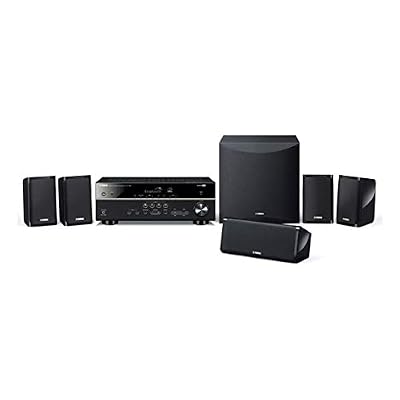 Yamaha YHT-4950U
- AV receiver and five speakers included
- Powered subwoofer included
- YPAO room optimization
The best home theater systems fit the room and source needs. Check safe cable routes and any later layout. These four system types make different demands. Choose the type before comparing a package name.
Sony BRAVIA Theater System 6: fewer buying decisions
The System 6 is the soundbar-based choice in this comparison. The listed specifications identifies a 5.1 package with the sub and rear speakers included. Dolby Atmos and DTS:X support describes the formats it can decode. It does not mean the box includes ceiling speakers.
Its main appeal is choosing one matched audio package instead of a receiver and several speaker models. You still have to place the rear units. Check the actual wiring diagram and outlets, plus furniture before treating it as a clutter-free solution.
Check which BRAVIA features need a supported TV. Do not promise them for every display. With another TV, verify the base audio connection first. Confirm the exact model pairing before using a brand-specific feature as the reason to buy.
Our verdict:
Best easy 5.1 package
Best for A buyer who wants the soundbar, subwoofer and rear speakers in one package.
View on Amazon- 5.1-channel package
- Subwoofer and rear speakers included
- Dolby Atmos and DTS:X support
Keep in mind: Compatible BRAVIA TVs get integration features other TVs do not.
Product details checked September 2026
Yamaha YHT-4950U: a matched wired 5.1 start
Yamaha includes the receiver, five speakers and a powered sub. Choose Yamaha when that starting kit fits your plan. Draw the speaker wires around the actual seats before buying.
YPAO is the listed room-setup system. Follow its microphone instructions, then check the assigned channels. A setup routine cannot discover that a cable crosses a doorway or that a surround speaker has no safe mounting place. Those decisions belong in the room plan.
Choose this route for a conventional wired first system. Skip it if the speaker paths are the reason you wanted a bar in the first place. Bluetooth playback from a phone does not remove the five speaker-wire runs.
Our verdict:
Best receiver-based starter package
Best for A first 5.1 system where separate speakers and an AV receiver are preferred.
View on Amazon- AV receiver and five speakers included
- Powered subwoofer included
- YPAO room optimization
Keep in mind: The speakers still need wire runs despite Bluetooth music streaming.
Product details checked September 2026
Factors to consider when choosing the best home theater systems
The four common system types
Soundbar-based systems use a main bar, sometimes with a sub and rears. Count every included box and power lead. This route can reduce separate equipment choices. It does not guarantee the fewest wires or a particular sound score in every room.
Packaged 5.1 or 7.1 systems group audio units in one purchase. Some include a receiver; others use a bar or omit the receiver. Read the exact included list. Check allowed replacements and upgrades in the manual. A bundle label does not prove a fixed or freely expandable design.
Receiver plus separate speakers lets you choose each within its supported limits. Check loads and channels, plus assignments. Use the receiver guide and 5.1 plan first. Separate purchases still need to form one compatible system.
Custom or installed systems can include room-specific building work and wiring. A custom label does not prove a fixed price or better sound. Define the work in the custom guide before requesting quotes.
How to actually decide
Draw the safe wire routes and any later layout. Check which system type supports those plans. A package can reduce model choices without removing placement work. A bar can include extra boxes too. Do not rank whole categories by capability without comparing exact systems.
Check space for each speaker and its driver path. A small room may limit a larger layout. A bar or compact package is another route. Compare actual positions rather than claiming unused space or sound gains from a box count.
Matching a system type to how the room is actually used
List normal household uses, including TV, films and games. Check the devices and seats each needs. A bar-led system may suit a shared room. Separate speakers may suit safe wiring and more placement freedom. Choose from those constraints rather than assuming every film viewer needs the largest layout.
Budgeting in qualitative terms
Compare the full required shopping list. Include a receiver when the bundle omits it. Add cables and stands, plus safe mounting work. A price-tier label does not prove better build quality or enough channels. We do not assign current prices or reliability claims from listed specificationss.
How resale and warranty, plus support differ by type
Read the exact warranty for each item and seller region. A bundle does not necessarily have one warranty covering everything. Check who handles service. For installed work, ask which labor is covered and for how long. Keep that separate from the equipment warranty.
A simple decision checklist
Draw the safe cable routes and actual seats. Note whether the room is shared and whether expansion is planned. Use those facts to choose the system type. Compare exact models after that, rather than treating a custom build and one bar as the same task.
Expandability over time
Write the future layout before choosing for expansion. A bar may need specific add-ons. A receiver needs supported assignments and safe speaker loads. A packaged system may have either limit.
Spare sockets do not establish arbitrary compatibility. Check the exact next stage before using it as a buying reason.
Common mistakes
- Assuming "best" means most expensive or most channels. A soundbar can be the right, complete answer for a room that doesn't need or want a full surround layout.
- Buying a packaged system expecting to swap parts later. Most packaged systems aren't designed for piecemeal upgrades the way a separates setup is.
- Underestimating wiring before choosing separates. Decide how you'll route speaker wire to surrounds before buying speakers that assume a wiring path your room doesn't actually have.
- Skipping the room-size reality check. A layout that looks great in a showroom or a spec sheet can overwhelm a smaller room in practice.
- Comparing system types before narrowing down which type fits the room. Deciding wiring tolerance and room use first makes the rest of the comparison much faster and less overwhelming.
Packaged systems worth considering
The listed specificationss cover these audio packages. Check the current seller's exact contents:
Sony is bar-led. Yamaha includes a receiver. These are two different starting points. Check the exact seller contents, not just the product family name.
Check room fit and wiring first. Then compare exact packages and missing parts.
How we picked the best home theater systems
We compared the selected listed specifications by included equipment and setup route. Sony is bar-led and Yamaha includes a receiver. Those differences matter before a price-tier label. The display and room work are separate in each plan.
We have not measured the packages in one room or tested long-term reliability. Current prices and seller stock do not decide this order. Confirm the exact offer and missing parts. The cards retain the same selected variants; the analyses explain who each starting point suits.
Check the included list item by item. Audio packages do not include your screen or seating. A speaker bundle may not include the receiver. A wireless claim may refer to music streaming rather than the rear-channel connection.
Write down the source devices, speaker positions and available outlets. Pick the system type that fits those constraints. If you plan to expand, verify the exact permitted speakers and receiver assignments now. Do not depend on a future feature that is not in the current manual.
The best home theater systems here solve two different buying tasks. Use the complete system guide when you need to plan the display and room alongside the audio purchase.
Questions people also ask
Is a packaged system worse than buying separates?
Not worse; different. A packaged system's speakers and receiver are matched and sold as a set, which simplifies buying and setup. Separates cost more decision-making up front but let you upgrade one component, like the receiver, without replacing speakers that still work fine.
Can I start with a soundbar and upgrade to a full system later?
Yes, and it's a common path. A soundbar covers the front stage; you can add a subwoofer, then surrounds, then move to a full receiver-based system later if you decide the extra wiring and complexity is worth the added envelopment. Just check the soundbar supports adding wireless surrounds if that's part of the plan.
What's the biggest factor in choosing between these options?
How much wiring and setup complexity you're willing to take on, more than budget alone. A soundbar and a full 7-speaker receiver setup can end up in a similar cost range depending on the models, but they ask very different things of your room and your patience for running cable.