
Home Theater Ideas for Different Rooms and Budgets
Home theater ideas organized by room type and budget level, from a simple living-room upgrade to a fully dedicated build.
Contents8
Choose home theater ideas for the room you have. An apartment and basement, plus dedicated room have different limits. Name the current problem first. Then compare changes that address it.
Budget-friendly ideas for a shared living room
For a shared living room, compare these changes against the actual problem. Keep normal access and storage usable:
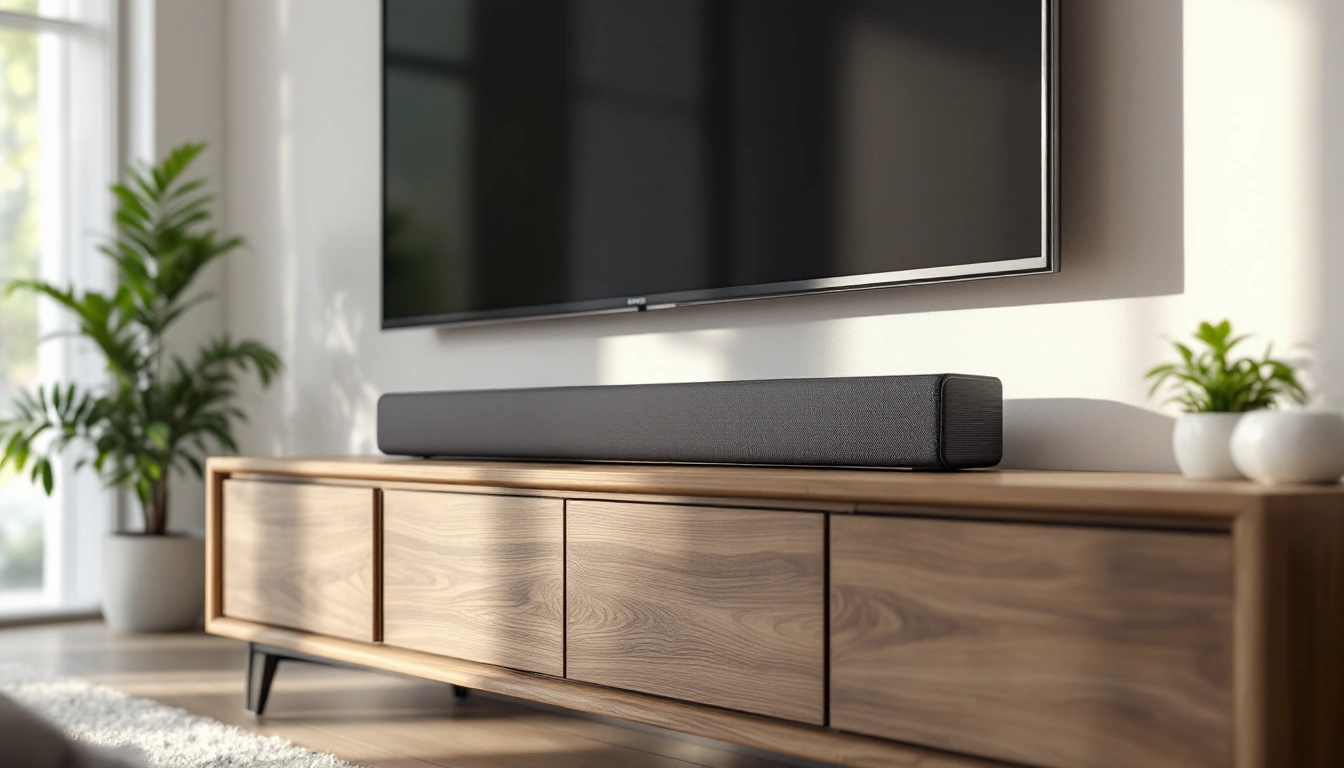
- A soundbar instead of a full speaker system. Dramatically better sound than TV speakers alone, with none of the wiring or furniture commitment of a full 5.1 setup. See best soundbar for how to choose one.
- Your existing TV instead of adding a projector. A good TV in a room with ambient light usually looks better than a projector fighting that same light, and it requires no new screen or mounting project.
- Blackout curtains or cellular shades, if daytime glare is an issue. A cheap, reversible upgrade that measurably improves picture contrast during the day.
- Rearranged seating, angled or repositioned toward the screen, often costs nothing and improves the viewing experience more than people expect from furniture alone.
Mid-range ideas for a semi-dedicated room
For a mostly dedicated room, measure the image and seats first. Compare these options:
- A modest projector and screen setup, if the room has decent light control; see the home theater projector guide for choosing one.
- A small surround speaker addition beyond a soundbar, adding real rear channels without a full receiver-driven system.
- Simple acoustic treatment; a rug, curtains, or a few acoustic panels; to cut down on echo and harsh reflections in a room that's often smaller and more reflective than a purpose-built theater.
- A couple of dedicated recliners added to existing seating, giving the best seats in the room a real upgrade without replacing all the furniture.
Bigger ideas for a fully dedicated room
In a dedicated room, check these permanent choices against the measured layout:
- Fixed theater seating, arranged in a single row or, in a deep enough room, tiered rows; see home theater seating ideas for layout options by room shape.
- A larger, higher-quality screen or projector setup, sized properly to the room's actual seating distance rather than guessed from a showroom.
- A full surround or Atmos speaker layout, with in-wall or in-ceiling wiring planned during any renovation work; see Dolby Atmos speaker placement.
- Dedicated lighting and finish choices; dark, matte walls and controllable lighting; that would feel too severe in a multi-purpose room but work well in a space used only for viewing.
Ideas organized by room shape
- Narrow room: keep the seating row tight and matched to the screen width rather than spreading seating wide; see home theater seating ideas for more on this.
- Basement: take advantage of the usual light-control and sound-containment benefits basements offer, while planning for ceiling height and moisture; see basement home theater design.
- Open-concept living space: lean on a soundbar's night mode and curtains rather than fighting the room's openness with a full surround build, since sound and light both spread more freely in an open floor plan.
- Small apartment: prioritize a good TV and soundbar over a projector setup, since light control and space for permanent seating are usually the limiting factors, not budget.
Lighting ideas that pull double duty
Plan light for viewing and normal room use. Check these options against glare and safe access:
- Dimmable overhead or lamp lighting lets the room shift from full brightness for cleaning or everyday use down to movie-appropriate darkness with one control, instead of an all-or-nothing light switch.
- Light behind a TV: check glare, screen reflections and safe access when choosing it. Do not claim a measured reduction in eye strain without relevant evidence. Projection and self-lit displays need different light checks.
- Smart or app-controlled lighting, where budget allows, makes it easy to set a consistent "movie mode" lighting level without manually adjusting several fixtures every time.
Storage and media ideas
Where gear and discs, plus accessories live affects how tidy and usable the room feels day to day:
- Closed cabinetry keeps equipment and clutter out of view, at the cost of needing ventilation planned in for anything that runs warm.
- Open shelving near the seating area works well for remotes and controllers plus anything used every session, since it stays accessible without digging through a cabinet mid-movie.
- Cable management, even simple raceways or clips, is a small idea that makes a noticeable difference in how finished a room looks, especially in a shared space where visible cable clutter reads as unfinished rather than intentional.
Ideas for rooms that also host games or sports
For games, check the supported input format and latency evidence for the exact display. For daytime sports, inspect glare at the viewing hour. Keep controllers and remotes within reach without blocking an aisle. A film-first plan can still serve those uses, but verify them before choosing the image and seats.
A quick way to pick a starting point
Name the room's main problem first. It might be glare, sound transmission, poor seats or a missing connection. Then choose an idea that addresses that problem. A general inspiration list cannot diagnose it. Keep shared-room needs in the decision.
Use the setup plan to set the order. Check finishes in the design guide. Add actual work to the cost plan. Different ideas need different quotes.
Compare audio packages after the room plan is set. Check what each includes.
Questions people also ask
What's a good home theater idea on a tight budget?
Start with a soundbar instead of a full speaker system, use your existing TV instead of adding a projector, and add blackout curtains if light control is an issue. Those three changes improve the everyday viewing experience more than most other upgrades, without the cost of a full rebuild.
Can a home theater idea work in a room I also use for other things?
Yes; a soundbar, flexible seating, and curtains that open and close easily all support a room that switches between movie mode and everyday use, without committing to fixed dedicated-theater elements like built-in seating or permanently mounted screens.
What's the first thing to decide before picking a specific idea from this page?
Whether the room is dedicated or shared. That one distinction narrows almost every other choice; screen type, seating, lighting, and speaker setup all lean differently depending on whether the room only has to work for movies or has to work for everything else too.