
Bass Trap: What It Does and Where to Put One
A bass trap absorbs low-frequency buildup at room corners; here's why bass piles up there and how a trap differs from a regular acoustic panel.
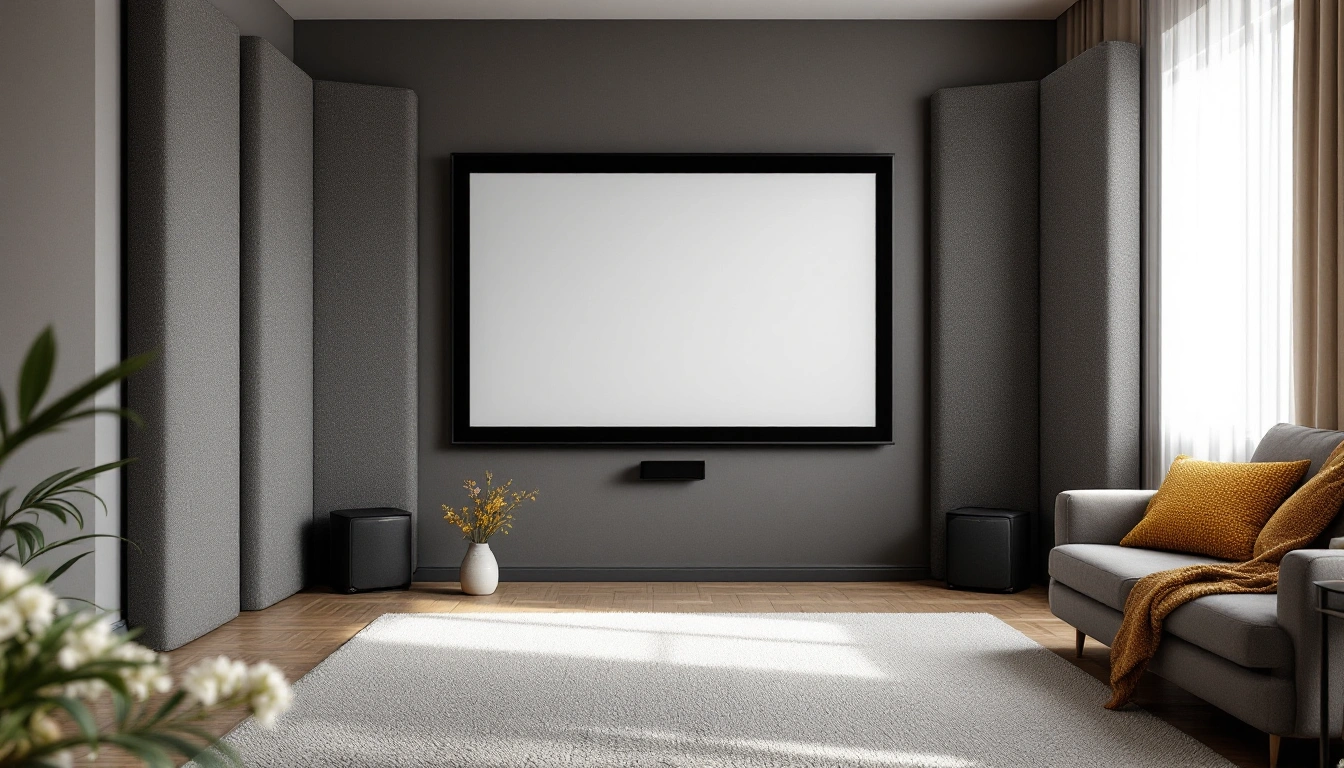
Contents9
A bass trap is treatment intended to absorb low-frequency sound. Check its supported frequency data and thickness, plus mounting method. A name alone does not prove it works at the bass frequencies troubling your room. Thin wall treatment and bass treatment can serve different jobs.
Why bass builds up in corners
Room boundaries affect low bass. A corner may reinforce some frequencies, but the pattern also depends on the room and source position. Check the actual seats. Do not assume every corner measures stronger or every bass problem comes only from the room.
Choose treatment with supported data at the problem frequencies. Thickness and position both matter. Some designs span a corner; others use different methods. The word trap does not prove low-bass performance. Check the exact design rather than only its shape.
How a bass trap differs from a standard acoustic panel
Look at measured absorption by frequency. Some panels mainly treat midrange and high-frequency reflections. Bass treatment needs evidence at the lower frequencies of interest. A corner-shaped product or dense core alone does not establish that performance. Compare the actual data and mounting method before choosing.
Where to put one
Inspect wall and ceiling corners as possible treatment positions. They are not a universal ranked list. Use measured needs and the product's mounting method. Keep doors and fixtures clear. Four traps do not prove a room is finished or that more treatment is required.
Check the sub's position as well as room treatment. Try permitted locations and compare seats with the same scene. A trap does not make every sub position equally good. Use the speaker placement guide for the wider layout. Then check bass separately.
Broadband traps vs. tuned traps
Broadband treatment works over a range of frequencies. A tuned design targets a narrower range. Check the measured data for both. A tuned trap needs a known problem frequency and suitable placement. Do not prescribe either type as a default without knowing what the room needs.
Measure or investigate the remaining bass issue first. Check sub placement and setup too. Treatment chosen for the wrong band may not address that issue. A product name such as broadband is not a complete performance curve.
Room size and how many traps make sense
Map usable positions and the bass issue at the seats. Room size alone does not tell you which corner needs treatment. Check doors and fixtures, plus the treatment's mounting method. Compare supported measurements after a stage rather than filling every corner by default.
DIY vs. purchased traps
For DIY treatment, use a suitable documented design and material-handling instructions. Verify safe covering and fixing. A homemade object is not performance-tested because it resembles a trap. For a finished product, check actual test data too. Neither route guarantees a saving or result without that evidence.
Common mistakes
- Buying thin foam panels expecting bass control. They're the wrong tool for this specific problem; good for echo, not for corner bass buildup.
- Treating only one corner. Bass buildup happens at every wall-to-wall and wall-to-ceiling intersection, not just the one nearest the subwoofer.
- Assuming a bass trap fixes uneven bass everywhere in the room. It reduces buildup at the treated corners; if a specific listening seat still sounds boomy, moving the seat or the sub a foot or two often matters more than adding another trap.
- Expecting an instant, dramatic change. Bass trapping is a gradual improvement in evenness and tightness, not a night-and-day transformation the way a first subwoofer often is.
- Installing a tuned trap without measuring the actual problem frequency first. A trap tuned to the wrong frequency does little, which is why broadband traps are the safer default without measurement equipment.
Where to see actual products
Use the acoustic-panel guide for reflection treatment. It is not a current-stock product roundup. Keep that task separate from choosing low-frequency treatment for a measured bass problem.
Check a bass trap against a measured problem
Write down where the bass sounds uneven before choosing treatment. Use the same seat and playback level for each comparison. A loud note at one seat and a weak note at another can point to room effects. It does not prove that a specific trap is the cure.
Ask for absorption data that includes the frequencies you need to address. Note the test mounting too. A graph measured with an air gap may not describe a panel fixed flat to your wall. Keep the data with your room notes so you can compare the proposed installation with the tested one.
Questions people also ask
Can regular acoustic foam work as a bass trap?
Not really. Thin foam absorbs midrange and treble well because those wavelengths are short, but bass wavelengths are long enough that a thin panel barely interacts with them. A bass trap needs real thickness and depth, or a design built specifically to work at low frequencies, to make a noticeable difference.
Why do corners get so much bass buildup?
Low-frequency sound waves in a room build up where boundaries meet; a wall meeting another wall, or a wall meeting the ceiling or floor. Those boundary intersections reinforce bass pressure more than open wall or floor space does, which is why corners tend to sound boomier than the middle of the room.
How many bass traps does a room need?
It depends on room size and how severe the low-end buildup is, but the corners behind and beside the listening position are usually the highest-value spots to start. Treating all four vertical corners of a room goes further than most people expect before returns diminish.